


When G-d disciplines us, the pain is real—but it is born of love. When He gives freely, we feel His kindness. When He withholds or corrects, His love is less visible—but in truth, it runs even deeper.
Read the full story »Stones that Open A Heart

This week, we study the vestments worn by the High Priest as he performed his service in the Temple. The High Priest represents the epitome of holiness; he is the closest a human can be to G‑d. Selected to represent the entire nation in prayer, supplication, offering, and song to …
Your Body Is a Temple

The Torah whispers a radical idea in our ears: G-d said to Moses: “Make for Me a sanctuary, and I will dwell in them.” Not “in it,” but “in them” — within the people who build it.
G-d dwells within each of us. Every one of us can become a sanctuary. We can turn our bodies into G-d’s temple.
Make G-d Your Partner

What are your morning rituals? What rituals does G-d want for you? How do they make you G-d’s partner?
The Gift of Being “Extra”

When we are jealous, we measure our value by others’ success. We can’t be like others. We were born to be ourselves. When we accept that limitation, we begin to shine.
Nothing To Fear But Fear Itself

When you trust in G-d, you know that circumstances and people can’t harm you. You have nothing to fear but fear itself.
Why Jews Need An Army

When we want to pray, our minds wander; it is a battle to maintain concentration. When we want to give to charity but feel drawn to use the money for ourselves, we are at war with ourselves. When we struggle with lust, greed, dishonesty, pride, anger, and envy, we are at war.
Fostering Empathy In Our Children

Moses was chosen for his empathy. He learned empathy from his parents. We mold our children into what we model for them. It is our sacred duty to model empathy.
Don’t Waste A Crisis

You can be free wherever you are. Even if your body is incarcerated, your mind and soul can be free.


Parsha Insights »
Balak: The Perennial Critic

How to Treat a Critic
There are those who thrive on highlighting other people’s faults. It gives them such pleasure, they can hardly contain themselves. If they can’t find fault they drive themselves incessantly until they find it and failing that, they grow despondent. Mostly these people don’t intend harm, they …
Yearly Cycle »
The Hostages Are Coming Home
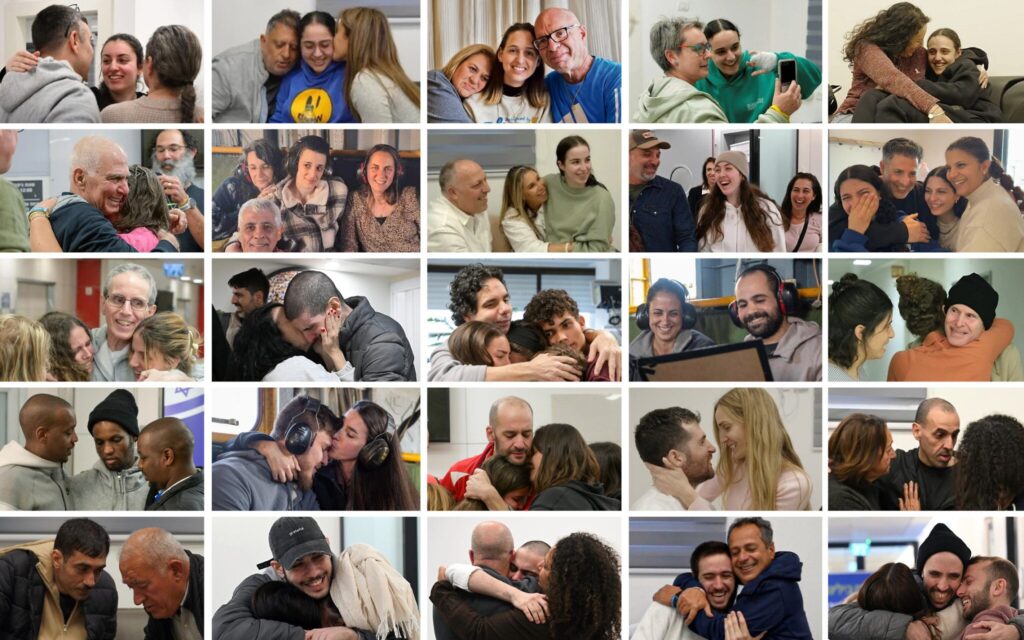
As I write this on Thursday morning, it appears that the hostage exchange will at least begin before Monday evening, the commencement of the Shemini Atzeret / Simchat Torah holiday. It is hoped that all the living hostages will have been returned by then in a single wave. The bodies …
Concepts »
Vayikra: Humble Gratitude
The AIG Scandal
After accepting a one-hundred-and-sixty-billion dollar bailout from the United States Government, American Insurance Group distributed more than a hundred-million dollars in bonuses and retention fees to its employees; a move that infuriated the congress and the American Public.
Tweet
Rabbi’s Desk »
What Can We Do?

These past two days have been the most difficult for our people in the last fifty years. It was Simchat Torah, a time for rejoicing, yet it was a time of horror. Nearly a thousand members of our family were brutally murdered, more than a hundred were taken hostage, and …


