

Articles in Parsha Insights
Shmini: on Grieving and Joy

An Ecstatic but Trying Moment
This Parsha describes a moment of glory for the children of Israel. They had been forgiven for their sin (the golden calf) and as a consolation prize G-d commanded them to build a tabernacle, a dwelling place for the Divine.
Tweet
Tazria Mitzora: In G-d’s Image

The Last Creation
This week’s Parsha enumerates the laws of ritual impurity as they pertain to human beings. The Midrash notes that the previous Parsha enumerated laws of ritual impurity as they pertain to animals. The Midrash thus posits that man’s laws were enumerated after that of the animal for the …
Tazria Mitzora: Treating the Cause
Signs of Leprosy
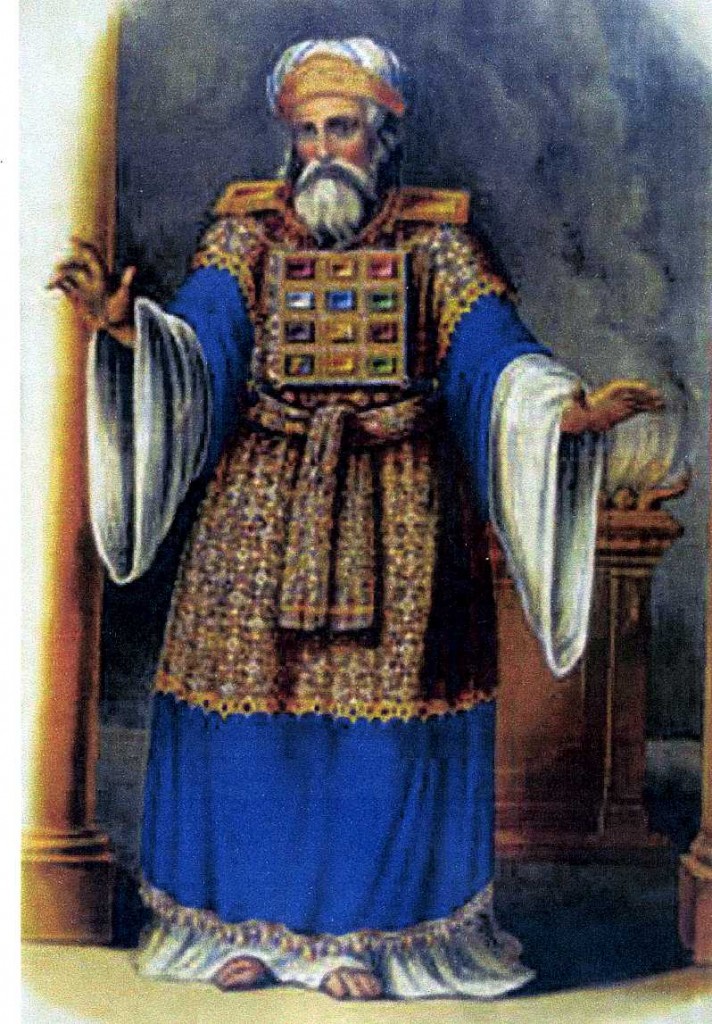
Our Parsha elaborates upon the laws of “Tzaraa’s: a dermatological condition.” Why is this particular skin condition so central to Torah law? The Midrash teaches that sometimes man’s physical afflictions are consequences of his actions and that leprosy is a sign of slander.
Tweet
Tzav: Listening with Empathy
Proper Attire
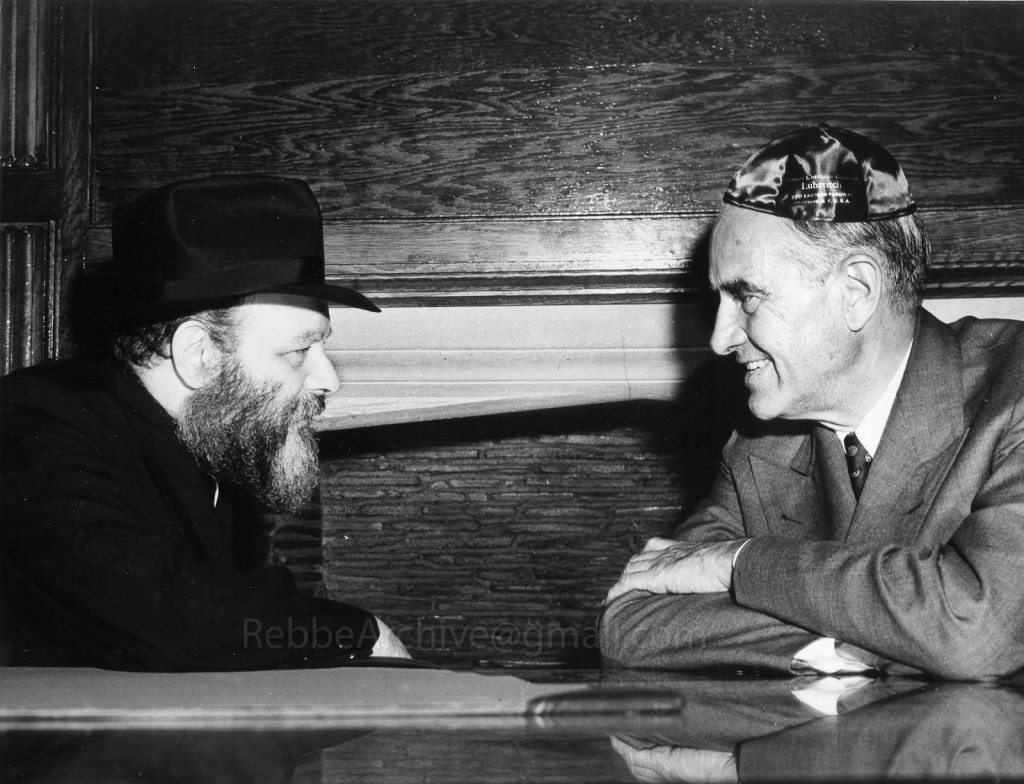
“He shall remove his garments and don other garments and he shall then take the ashes to a pure place, outside of the camp.” (Our Parsha 6,4) Since the removal of ash will likely soil his vestments the Torah recommends that he change his clothing for this particular task. …
Vayikra: Is it Meaningful?

Sin and Atonement
This week’s Parsha teaches that when a Jew commits a sin inadvertently he must bring a sin offering to atone for his violation.Why must a Jew be taken to task for an innocent mistake? Say, for example, he kindles a fire on Saturday not remembering that it was …
Vayakhel: Imperfect Devotion

Last in Line
Have you ever attended a Bar Mitzvah where dinner was served buffet style? I really dislike those dinners and here is why. When the buffet is set out I examine the mouth-watering display and a battle rages within me about which treats I can afford to eat. By …
Pekudei: An Arresting Question

A Final Accounting
The previous three Torah portions dealt with the specifications for building the Tabernacle and its holy vestments. In this portion a very important detail: is contributed – a calculation of the total sum of donations received for the cause.
Tweet
Vayakhel Pekudei: Celestial Real-estate
According To G-d
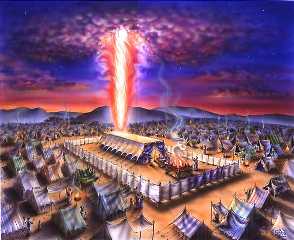
Our Parsha describes the building of the Mishkan and the specific details of craftsmanship involved. After describing each section of the Mishkan the Torah testifies that it was all done in accordance with G-d’s instruction to Moshe. Many have wondered why the Torah so often repeats this point?
Tweet