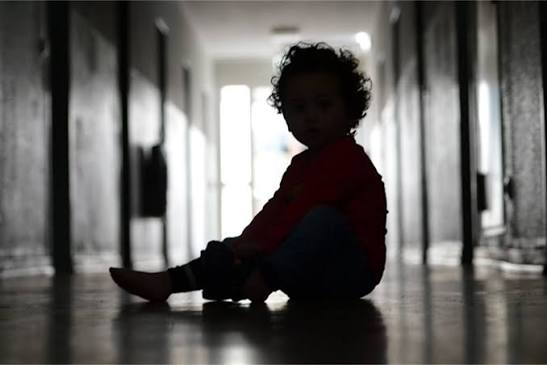
Are You Comfortable With Vulnerability?
Do you carry pain from abuse or manipulation in your childhood? If you don’t, do you know someone who does? Someone whose adult life trajectory continues to be stunted by their youthful wounds?

Do you carry pain from abuse or manipulation in your childhood? If you don’t, do you know someone who does? Someone whose adult life trajectory continues to be stunted by their youthful wounds?
Do you carry pain from abuse or manipulation in your childhood? If you don’t, do you know someone who does? Someone whose adult life trajectory continues to be stunted by their youthful wounds?

Shabbat – A Day of Rest “Six days your work is done and the seventh day is Shabbat Shabbaton” (our

Forgetting G-d Moses was atop Mount Sinai, but he was slated to return the day before. When he failed to

Moses’ Reaction In this Parsha we read about the golden calf. When he saw the calf, Moses hurled the sacred
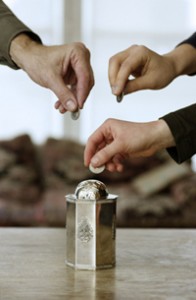
Coins Of Fire In this week’s Parsha we read that by contributing half-silver coins to the tabernacle’s building fund our

Question Why are the laws of Shabbat overruled when human life is at stake? Tweet

Change of Attire I once worked for a man whose personality changed as often as his attire. At the office
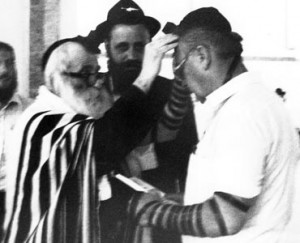
Why? “Rabbi,” he said to me, “Why is it that in some Jewish circles I am seen as a lesser

Asking for Help? As a rabbi in a small community, I am often approached by congregants, who need to recite