Signposts on the Road to Repentance
If you are ill, you can be healed, but only if you visit the doctor. We can heal sin through repentance, but only if we stay in contact with G-d.

If you are ill, you can be healed, but only if you visit the doctor. We can heal sin through repentance, but only if we stay in contact with G-d.
If you are ill, you can be healed, but only if you visit the doctor. We can heal sin through repentance, but only if we stay in contact with G-d.

I Am A Failure I recently met someone who complained of a failing self-esteem. I can’t find a job, I

Silver Coins This essay is about silver coins because we will reference it twice in this week’s Torah reading. The
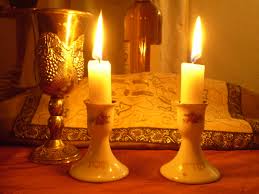
Shabbat on Saturday Several weeks ago I was asked why it is necessary to observe Shabbat on Saturday. Suppose I
Two Subjects The instruction to keep Shabbat appears in the Torah[1] immediately before the story of the golden Calf. On
Hey You! Have you noticed that Moses’ name is missing from this Torah portion? Whenever G-d speaks to Moses in

Why the Replica? Have you ever noticed that we go out of our way to turn the Sanctuary into a

Absorb It hortly after giving the Ten Commandments at Sinai, G-d summoned Moses and said, “These are the laws that

The Prophetic Chain Do you believe in prophecy? G-d is infinite, we are infinitesimal. Does He really deign to talk