Signposts on the Road to Repentance
If you are ill, you can be healed, but only if you visit the doctor. We can heal sin through repentance, but only if we stay in contact with G-d.

If you are ill, you can be healed, but only if you visit the doctor. We can heal sin through repentance, but only if we stay in contact with G-d.
If you are ill, you can be healed, but only if you visit the doctor. We can heal sin through repentance, but only if we stay in contact with G-d.

The Shelf Life I have seen it as often as you have. Someone loses a loved one, family, friends and
On the Walls Tzaraat was a prevalent disease in Biblical times that presented in the form of lesions on skin,
Reversing the Order The Torah mandates that after giving birth, mothers bring two offerings[1] in the following order. “She shall

Aaron When Aaron experienced the tragic loss of two sons, he responded with silence. He didn’t accept with silence, he
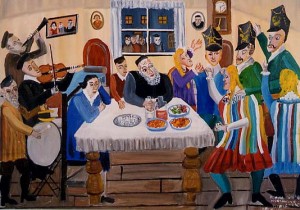
Inadvertent Slide Purim celebrates the reversal of assimilation. The Talmud teaches that well before Haman, Jews in Persia had begun

I Am A Failure I recently met someone who complained of a failing self-esteem. I can’t find a job, I
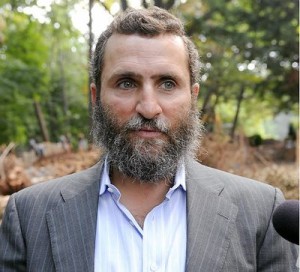
It’s time for Boteach to cut the apron strings that tie him to Chabad. Tweet

Silver Coins This essay is about silver coins because we will reference it twice in this week’s Torah reading. The
The Shelf Life I have seen it as often as you have. Someone loses a loved one, family, friends and
On the Walls Tzaraat was a prevalent disease in Biblical times that presented in the form of lesions on skin,
Reversing the Order The Torah mandates that after giving birth, mothers bring two offerings[1] in the following order. “She shall
Aaron When Aaron experienced the tragic loss of two sons, he responded with silence. He didn’t accept with silence, he
Inadvertent Slide Purim celebrates the reversal of assimilation. The Talmud teaches that well before Haman, Jews in Persia had begun
I Am A Failure I recently met someone who complained of a failing self-esteem. I can’t find a job, I
It’s time for Boteach to cut the apron strings that tie him to Chabad. Tweet
Silver Coins This essay is about silver coins because we will reference it twice in this week’s Torah reading. The