
Articles in Free Choice
Shabbat Shuvah: Jewish Guilt

Have you ever heard of Jewish guilt? Well, of course. If you have a Jewish mother, you know about Jewish guilt. But the truth is that Jews have little to do with guilt. In fact, the Catholics claim to have cornered the market on guilt. Considering the Catholic doctrine of …
Pinchas: Between the Gates

As the Jacob and his family entered the gates of Egypt, Yocheved, the mother of Moses, was born between the gates. The Torah tells us that seventy Jews traveled to Egypt. Yet, if you count the names of all the people listed in Jacob’s party, you find sixty-nine. Our sages …
Balak: Stolen Waters
King Solomon famously wrote, “Stolen waters are sweeter.”[1] By this, he meant that the moment something is forbidden to us, we lust after it. Not because we like it or enjoy it, but because we can’t have it. It is a quirk of human nature to be titillated by the …
Vayigash: Stuck in Lockdown?

Lockdown is a word with which we have sadly become all too familiar. Many countries around the world have experienced a second wave of COVID and implemented various forms of lockdown. Ontario in Canada just announced its own lockdown and as I write I am looking at 28 long days …
Mishpatim: We Matter

When you read the Torah portion that we chant in the synagogue this week, you wonder why G-d even cares. Does the Creator of heaven and earth have nothing better to do with His time than devise laws about the differences between liabilities carried by paid and unpaid custodians? Does …
Vayigash: Debt of Kindness
Kindness is something that is usually given out of generosity. We don’t usually think of kindness as a debt. Yet, sometimes it is a debt. For example, if someone treats you kindly, they deserve to be treated kindly in return; you owe them a debt of kindness. If you owe …
Vayetze: Find Your Well
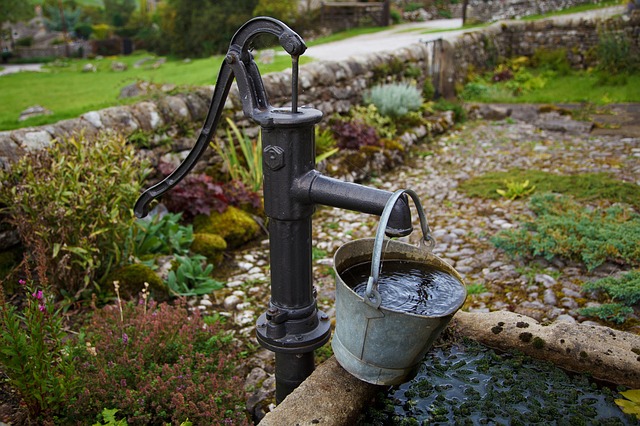
Find your well is a mission to live by. Once we figure how to find it, it can be the answer to life’s moral challenges.
You see, there are three kinds of places, the city, the field, and the desert. The city is where people live. Wild animals are not usually …
Vayera: The Moral Sense
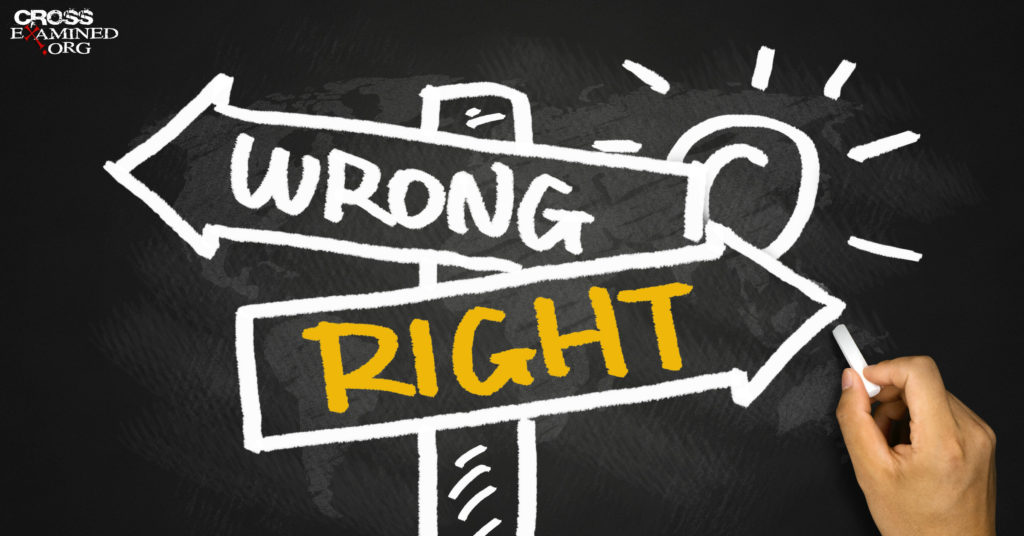
The moral sense is the innate human conviction that kindness and fairness are good, and cruelty is bad. We can’t explain why this is so, but if anyone would claim that cruelty is good and challenge us to explain why it is bad, we would throw up our hands in …