
Articles in Parsha Insights
Pekudei: Learn to Love It
A Generous Text
This week’s Parsha continues the theme from the previous Parsha in describing our ancestor’s enthusiasm for building the Mishkan (tabernacle) and their exacting commitment to its great detail. After transmitting G-d’s detailed instructions for building the Mishkan the Torah could have simply concluded with the words “Vayasu Ken,” …
Vayakhel: The Real Shabbaton
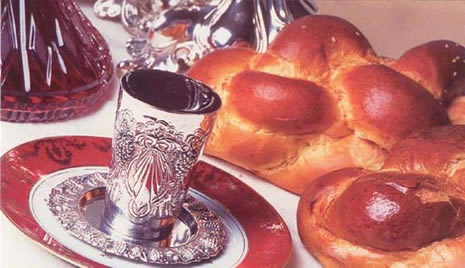
Shabbat – A Day of Rest
“Six days your work is done and the seventh day is Shabbat Shabbaton” (our Parsha Exodus 35, 2) Contrast this verse with the way it appears in both recordings of the Ten Commandments. “Six days you shall labor and the seventh day shall be a …
Ki Tisa: The Money Trap
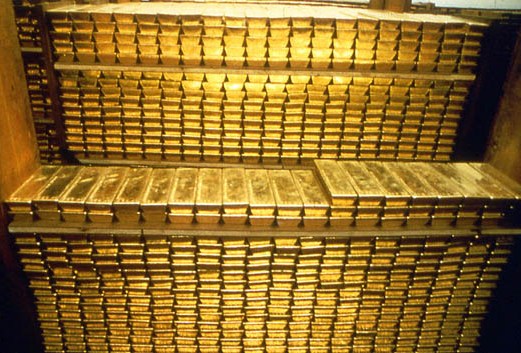
Forgetting G-d
Moses was atop Mount Sinai, but he was slated to return the day before. When he failed to return on the designated day, the people worried that G-d may have taken him. They feared that he might never return and asked Aaron to create a new material G-d. (1)
Tweet
KI TISA: A True Leader
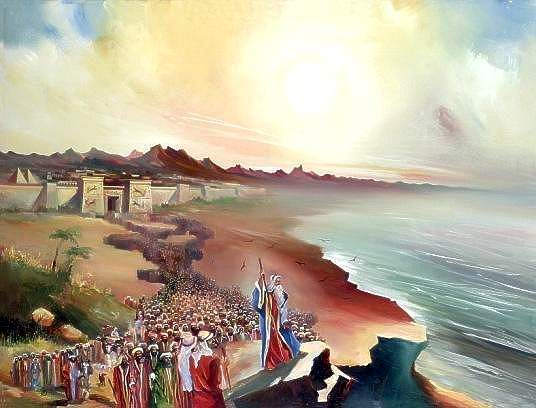
Moses’ Reaction
In this Parsha we read about the golden calf. When he saw the calf, Moses hurled the sacred tablets to the ground and meted out strict punishment to the sinners. Having vented his frustration Moses returned to G-d and pleaded for forgiveness on behalf of the Jewish people.
Tweet
KI Tisa: Transformation of a Coin
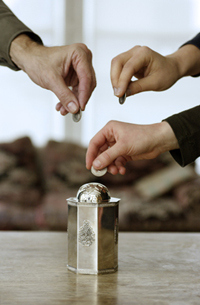
Coins Of Fire
In this week’s Parsha we read that by contributing half-silver coins to the tabernacle’s building fund our ancestors earned atonement for their souls. The Midrash relates that Moshe wondered how atonement could result from simple silver coinage? In response G-d showed Moshe a coin made of fire. How …
KI Tisa: Shabbos and the Jew

Question
Why are the laws of Shabbat overruled when human life is at stake?
Tweet
Tetzave: Every Jew Counts
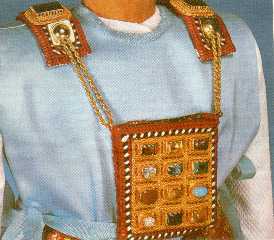
Change of Attire
I once worked for a man whose personality changed as often as his attire. At the office he exuded a sense of competence and leadership, his manner as crisp as his professional attire. At home he exuded friendship and camaraderie, his manner as relaxed as his casual attire.
Tweet
Vayikra: Every Jew is Crucial
Why?
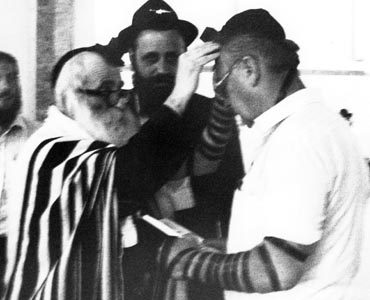
“Rabbi,” he said to me, “Why is it that in some Jewish circles I am seen as a lesser Jew? I was born to a Jewish mother, but I don’t practice very much. Am I any less Jewish than other Jews?”
Tweet