Signposts on the Road to Repentance
If you are ill, you can be healed, but only if you visit the doctor. We can heal sin through repentance, but only if we stay in contact with G-d.

If you are ill, you can be healed, but only if you visit the doctor. We can heal sin through repentance, but only if we stay in contact with G-d.
If you are ill, you can be healed, but only if you visit the doctor. We can heal sin through repentance, but only if we stay in contact with G-d.

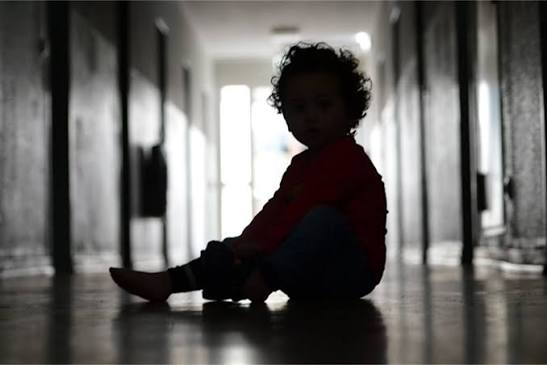
When You Are on Your Own We humans are social creatures; we are not designed to live alone. We prefer

A good friend recently lost his father. I meant to call him as soon as I heard, but he was
Every year, on the last Shabbat before Elul—the final month of the year, we read a Torah portion that begins
Rain doesn’t fall often in Israel. There is a rainy season that feeds the river, tributaries, and the lake, but

The Torah portion we read this week discusses Moses pleading for his life five hundred and fifteen times before G-d

This week we will read a combined Torah portion. The first is called Matot, the second is called Masei. Matot,

I was walking with a friend, one Shabbat, and as we reached the crosswalk, he bent to push the button

I grew up in the shadow of the Six-Day War. The impossible yardstick of this war measured every subsequent war